
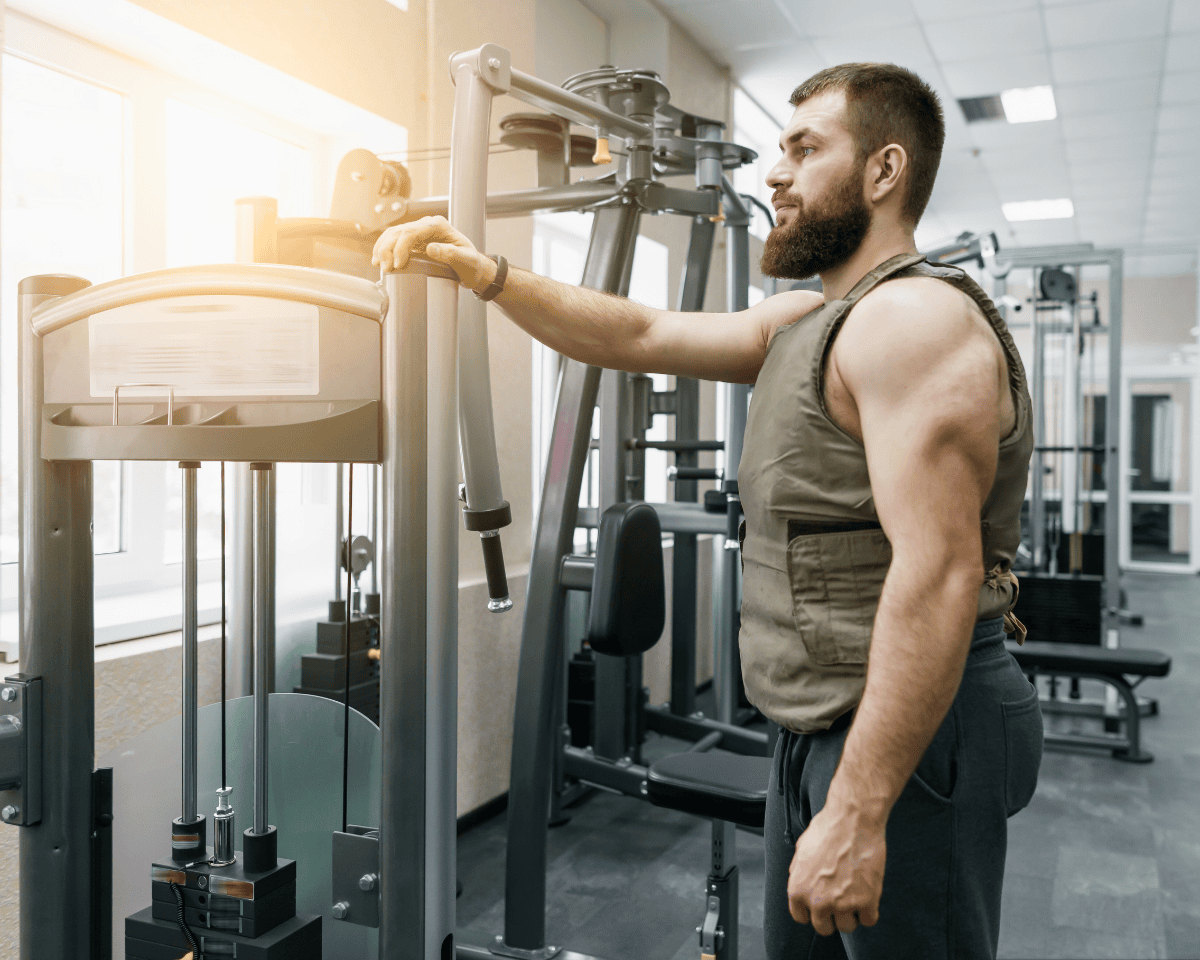
Whether you’re scrolling social media or strolling in the neighborhood, you might see more people using weighted vests to supercharge their fitness regimen. The latest fitness trend can help burn calories and improve cardiovascular health, but only if used correctly; otherwise, this equipment can pose safety risks and lead to injuries.
This article provides an overview of weighted vests, outlines their benefits and risks, and offers tips on wearing them safely.
What Are Weighted Vests?
Weighted vests are wearable gear with built-in weights that are distributed across the torso. They add resistance during exercise by increasing your body weight. They typically range from 5 to 50 pounds and are used to intensify bodyweight exercises, such as walking, running, and compound movements like squats or lunges, as well as simple daily activities.
The popularity of weighted vests in fitness has surged recently, driven by social media and growing interest in low-impact exercises for weight loss, strength building and increasing bone density. This trend is also more popular among older adults, especially women in perimenopause, menopause and postmenopause, who are more susceptible to reduced bone density. Weighted vests have emerged as an accessible way to intensify everyday movement with minimal impact, provided they are used correctly.
Benefits of Weighted Vests
Research on weighted vest exercise is limited; however, some health experts have found that wearing this equipment during exercise can offer a variety of physical benefits. These include:
Greater workout efficiency and cardiovascular health—The extra pounds from a weighted vest increase resistance, which allows you to burn more calories and boost cardiovascular effort during movement, including walking. Over time, this can improve the efficiency of your heart and lungs in delivering oxygen to your muscles, leading to a reduced risk of chronic health conditions such as diabetes, heart disease and high blood pressure.
Improved strength and endurance—Weighted vests can make specific muscles work harder in certain exercises, such as push-ups, squats and lunges, helping you build strength. Over time, this can also improve your muscles’ stamina. Keep in mind that a weighted vest is not a replacement for traditional strength training, as it isn’t a versatile tool and doesn’t build muscle mass.
Enhanced bone health—According to research published in the Journal of Osteoporosis and Physical Activity, wearing a weighted vest during daily activities may stimulate bone formation and decrease bone breakdown. While weighted vests should not be used to treat low bone density, this equipment may offer some benefit to older adults, people with osteoporosis or those with certain conditions that affect bone density.
Better posture—Carrying additional weight activates your core, which includes muscles in your abdomen, lower back and pelvis. Strengthening your core in this way stabilizes your body and encourages better alignment.
Risks of Weighted Vests
Despite the benefits, weighted vests may also present health and safety risks. If misused, weighted vests can result in the following:
Injuries—Overall, weighted vests increase your risk of injury, particularly during high-impact activities such as running and jumping, potentially leading to injuries like fractures or tendonitis. Even while walking, the additional pounds can strain your joints, back and shoulders if the vest is too heavy or used incorrectly.
Movement and breathing restrictions—Wearing a weighted vest might cause you to alter your gait and other movements to compensate for the extra weight. If the vest is too tight, it can also affect your breathing. Such ineffective movements and breathing can interfere with your workout and cause injuries over time.
Overuse and fatigue—Without gradually progressing in weight, weighted vests can cause muscle fatigue and overuse injuries. These conditions are often prevalent in the ankles, hips and shoulders, and are exacerbated by uneven weight distribution.
Worsened health conditions—Weighted vests may aggravate preexisting conditions, such as scoliosis or other spine conditions, balance issues, or arthritis or chronic joint pain. It’s important to consult your doctor before adding a weighted vest to your routine.
How to Use a Weighted Vest Safely
It’s crucial to take precautions before strapping on a weighted vest. Consider these tips to use a weighted vest safely for exercise:
Start small—in weight and duration. If you’re new to weighted vest training, start with a lighter weight. Health experts recommend starting with a weight that is 5%-10% of your body weight; for example, if you weigh 200 pounds, your vest should weigh no more than 20 pounds. Similarly, you should exercise with a weighted vest only for short periods at first, around 10-20 minutes. From there, you can gradually increase the vest’s weight and your exercise duration.
Maintain proper form. Your posture and exercise form are crucial for preventing injuries. Keep your spine straight, shoulders back and core engaged to avoid strain. A weighted vest can potentially hinder movement, so pay close attention to your form. If you are unable to maintain proper form, this could be a sign to reduce the weight or adjust the frequency of the exercise.
Wear it correctly. Choose a vest that distributes the weight evenly across your torso. This can help prevent injuries and issues with balance and posture. Ensure the vest is secure but not too tight, as this can restrict your breathing and range of motion.
Listen to your body. Stop weighted vest use if you feel pain, dizziness or excessive fatigue. These could be signs you’re putting too much stress on your body. Be sure to rest and recover, as well as reassess and adjust how you use your weighted vest.
Always consult your doctor before starting any exercise program or using a weighted vest, especially if you have preexisting health conditions or concerns. They can provide personalized guidance and help prevent any health conditions from worsening.
This article is for informational purposes only and is not as medical advice. For further information, please consult a medical professional. © 2025 Zywave, Inc.
All intended rights reserved.